Guides · Arcadia, Florida
Why Arcadia Is Where It Is
Arcadia sits where it does because the Peace River gave it a reason, and the cattle gave it a purpose; the rest is a story of fire, brick, and a birthday cake.
The town began as a post office in 1883 and incorporated in 1886. DeSoto County followed in 1887, and by 1888 Arcadia was the county seat. That is the official sequence. What is less official is the name. No documented origin survives. The story the town tells is that Arcadia was named for Arcadia Albritton Coker, in thanks for a birthday cake she baked. We cannot verify that, and neither can anyone else. But it is the story they keep, and it says something about the place that the founding myth involves baked goods rather than a land grant or a railroad baron.
The river matters. The Peace River runs through town, and in the nineteenth century it was the reason anyone stopped here at all. Boats moved people and freight. The cattle moved on the hoof, and they moved in quantity. This is ranch country. It was ranch country before the town had a name, and it remains ranch country now. The census tells you as much, if you read it sideways: 7,571 people, 3,405 housing units, and a median age of 32.7. That is a young, working town, not a retirement colony. Only 43 housing units are held for seasonal or recreational use. Nobody is coming here just for the winter. They are coming here to work, or they are already here working.
The work has always been tied to livestock. By the 1920s, ranch families were organising local rodeos to raise money for schools and civic causes. That was not tourism. That was fundraising. It worked, and it became the town's defining event. The Arcadia All-Florida Championship Rodeo is billed as Florida's oldest and favourite rodeo — The Granddaddy of 'Em All. It runs over four days each March, with bareback bronc riding, barrel racing, and bull riding. The rodeo is the clearest expression of what this town is: cattle country that learned to put on a show for itself and then found out the rest of the state wanted to watch.
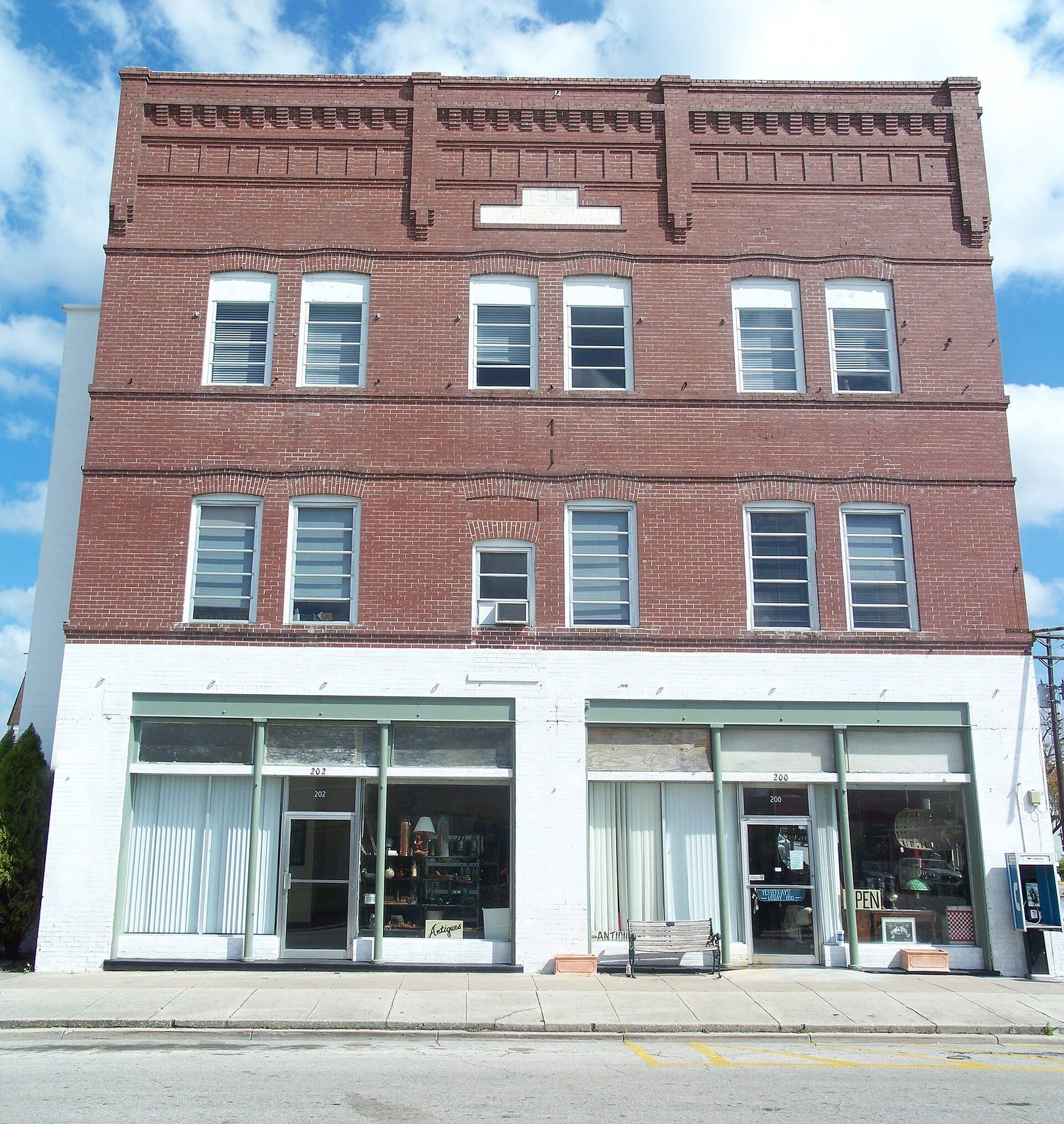
But there is a harder history underneath the swagger. On Thanksgiving Day, 30 November 1905, fire destroyed the old wooden business district. The town responded with an ordinance requiring brick and block construction. That is why downtown looks the way it does. Not nostalgia. Not a theme park. A building code passed in the ashes of a disaster. The brick is a decision, and it was a decision made by people who had just lost everything they owned in wood.
That brick downtown is now part of the Arcadia Historic District. More than 370 historic homes and businesses were placed on the National Register of Historic Places in 1984, and a Florida Historic Marker was installed in 2017. The district is not a museum piece. It is the working centre of a small county seat. The courthouse is there. The shops are there. The rodeo crowd walks the same sidewalks every March.
The numbers are modest, and the town does not pretend otherwise. Median household income is $38,388. Median home value is $158,900. Median gross rent is $886. Those are not boomtown figures. They are stable, affordable, and real. The unemployment rate is 5.2 percent, which is not great and not terrible. It is a place where a person can buy a house on a working wage and still have money left over. That is rarer than it should be in Florida.
Education is the weak spot. Only 11.8 percent of residents hold a bachelor's degree or higher. That is low, and it shows in the income figures. But it also shows in the character of the town. This is not a place of transplants with advanced degrees and opinions about brunch. It is a place of people who know how to fix a fence, work a chute, and read weather. There are 374 vacant housing units, which suggests some slack in the market. That is not decay. That is room.
The rodeo remains the anchor. It is the reason people who have never been to Arcadia know the name. It is the reason the town has a nickname, The Granddaddy of 'Em All, that it earned rather than adopted. The rodeo was never a civic booster's invention. It grew out of ranch families who needed money for schools and decided to compete instead of beg. That is the whole town in one sentence.
Arcadia is where it is because the river brought the first people, the cattle brought the next, and the fire forced them to build something that would last. The name may be a mystery wrapped in a cake story. The brick is not a mystery. It is a fact, and it is still standing.
Every business named above is one we hold a listing for, and every date traces to a source on our sources page. We do not describe menus, interiors or service we have not verified. Details change — confirm before you travel.