Guides · Arcadia, Florida
Visiting Arcadia Florida in Hurricane Season: What to Know
Arcadia's hurricane season is the town's best-kept secret: the crowds are gone, the prices drop, and the brick downtown stands exactly as it has for over a century, waiting for you to walk it without a schedule.
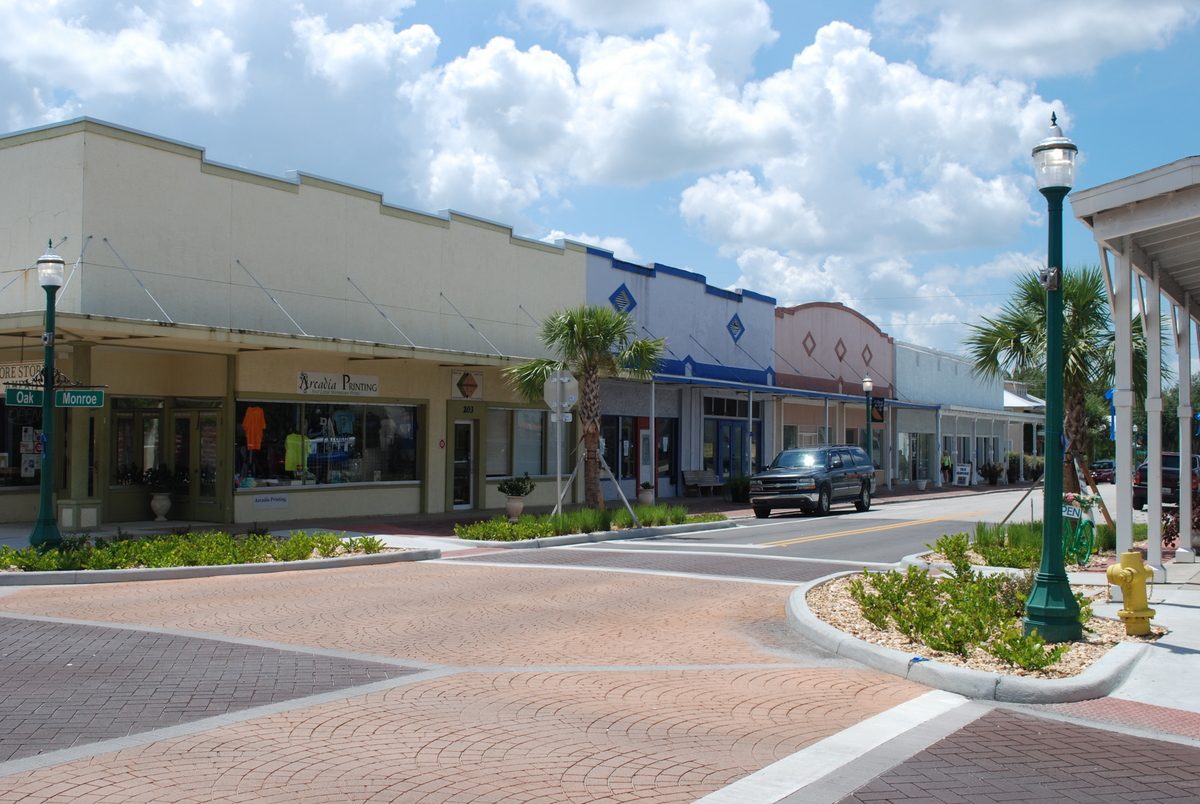
Why Hurricane Season Is Arcadia's Quiet Season
From June through November, Florida's Gulf coast braces for storms, but Arcadia sits inland, in cattle country, where the rhythm slows rather than stops. The town's population of 7,571 people is stable—only 43 of 3,405 housing units are held for seasonal or recreational use, and 374 sit vacant. That's not a tourist economy; that's a working town that doesn't flinch when the heat turns up. Fewer visitors mean cheaper rooms and emptier streets, while the town's character—dry, proud, unbothered—remains fully intact.
Arcadia's Historic Brick Downtown: A Walk Through Time
The Arcadia Historic District, listed on the National Register of Historic Places in 1984, holds more than 370 historic homes and businesses. The architecture isn't quaint; it's brick and block, rebuilt under an ordinance passed after the fire of Thanksgiving Day, 30 November 1905, which leveled the old wooden business district. The result is a downtown that looks like it was built to take a punch. In hurricane season, when other towns board up gingerbread trim, Arcadia's storefronts just sit there, solid, the way they've done for over a century. A Florida Historic Marker was installed in 2017 to note the district's significance—worth a stop if you like your history with a side of municipal paperwork.
What's Open in Arcadia During Hurricane Season
The Arcadia All-Florida Championship Rodeo—billed as The Granddaddy of 'Em All—runs four days each March, with bareback bronc riding, barrel racing, and bull riding. That's the town's defining moment, and the crowds prove it. But the cattle-country identity isn't seasonal. You'll see it in the trucks, the boots, the land itself. In hurricane season, some seasonal businesses may close their doors, but the core downtown remains open—feed stores, hardware, diners that don't need a festival to justify their existence. You're not getting the rodeo; you're getting the town that hosts it.
Hurricane Season Weather and Safety Tips for Arcadia
Here's the truth about hurricane season in inland Florida: it's not a constant deluge. It's long stretches of heavy heat and afternoon thunderstorms, punctuated by the occasional named system that may or may not track your way. The practical approach is simple—monitor the National Hurricane Center, know your flood zones (this is ranch country, so drainage matters more than storm surge), and understand that between storms, you'll get clear, hard, beautiful days. The locals don't panic at the first tropical wave; they watch, wait, and carry on.
Day Trips from Arcadia When the Weather Clears
When the forecast is clean, Arcadia makes a solid base for exploring the region. The festivals are spread across the calendar, so check dates before you commit.
| Town (Distance) | Festival & Season |
|---|---|
| Okeechobee (71 miles) | Speckled Perch Festival, winter |
| Dade City (81 miles) | Kumquat Festival, January |
| Clermont (90 miles) | Pig on the Pond, spring |
| Everglades City (100 miles) | Everglades Seafood Festival, winter |
| Sebastian (102 miles) | Sebastian Clambake Lagoon Festival, spring |
| Altamonte Springs (104 miles) | Red Hot & Boom, July |
None of these are worth a hurricane gamble, but on a clear weekend, they're a fine excuse to see more of Florida than the interstate.
Off-Season Costs for Visiting Arcadia
Arcadia's economy is modest and honest. The median home value runs $158,900, with a median gross rent of $886 a month—figures that would make coastal Florida weep. Median household income sits at $38,388, and the unemployment rate is 5.2 percent, with 11.8 percent of residents holding a bachelor's degree or higher. For visitors, that translates to affordable lodging and meals that don't carry a tourist markup. In hurricane season, you're not paying premium rates for the privilege of a beach view; you're paying small-town prices for a working cattle town with a brick backbone. Is it safe to visit during hurricane season? It's as safe as any inland Florida town in storm months—which is to say, check the forecast, respect the warnings, and enjoy the quiet while it lasts.
Common questions
- Is Arcadia safe to visit during hurricane season?
- Arcadia sits inland in DeSoto County, so it's less exposed to direct coastal storm surge than beach towns. But hurricanes can bring heavy rain, flooding, and wind here. Check forecasts and local alerts before you go, and have a flexible plan.
- What's there to do in Arcadia besides the rodeo?
- The rodeo is the big draw each March, but year-round you can walk the Arcadia Historic District—over 370 homes and businesses on the National Register since 1984. It's a brick downtown, rebuilt after the 1905 fire, with a proud cattle-country feel.
- How big is Arcadia and what's the vibe?
- About 7,571 people, with a median age of 32.7. It's cattle country—ranchers have been here since before the town incorporated in 1886. The vibe is dry, proud, and no-nonsense. Don't expect tourist gloss; expect real Florida working town character.
- When is the Arcadia All-Florida Championship Rodeo?
- It runs four days each March. The 2022 edition was March 10–13. It's billed as Florida's oldest rodeo—The Granddaddy of 'Em All—with bareback bronc riding, barrel racing, and bull riding. Check the official schedule for exact dates each year.
- Are there any other festivals nearby if I'm visiting in hurricane season?
- Hurricane season runs June through November, and nearby towns have events like Okeechobee's Speckled Perch Festival, Dade City's Kumquat Festival, and Clermont's Pig on the Pond. But these are spread across the year—check dates, as some fall outside the season.
- What's the housing and cost situation in Arcadia?
- Median home value is $158,900 and median gross rent is $886. Median household income is $38,388, with an 11.8% bachelor's degree rate. Only 43 homes are seasonal or recreational, so it's mostly full-time residents, not a vacation rental hub.
Every business named above is one we hold a listing for, and every date traces to a source on our sources page. We do not describe menus, interiors or service we have not verified. Details change — confirm before you travel.